Look at a few home-grow setups online and it’s easy to come away with a shopping list longer than your enthusiasm. Tents, lights, fans, meters, bottles, controllers—each one can look like something you’re supposed to have before you begin.
Some of those things solve real problems. Others solve problems you may never have.
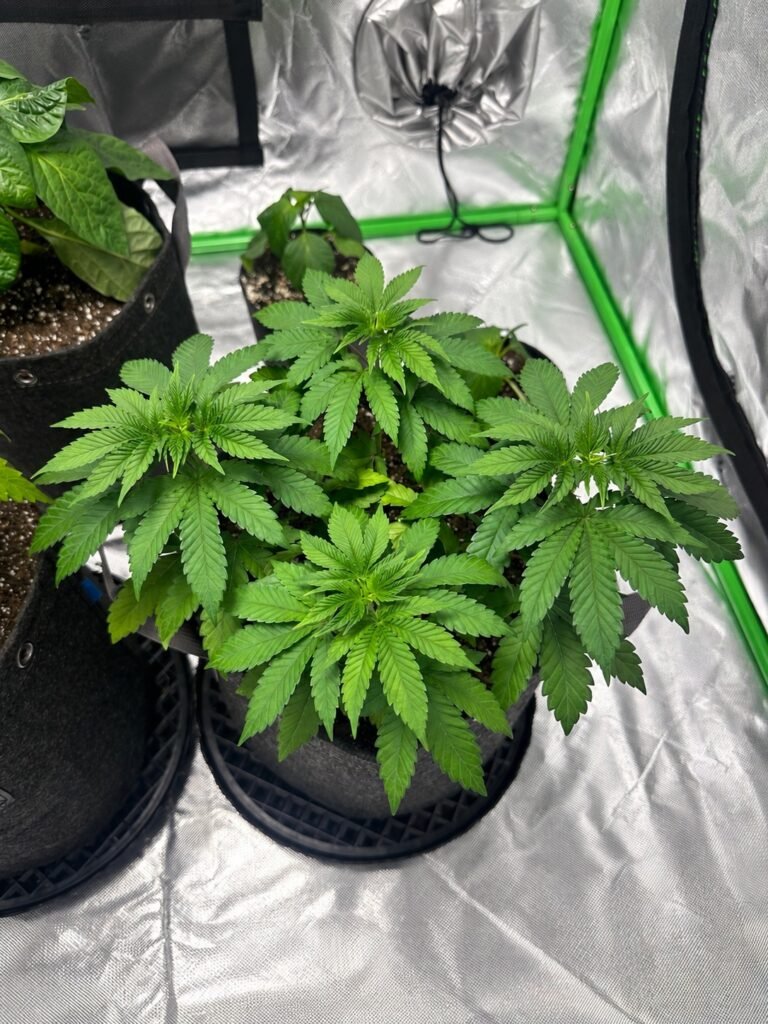
To start growing cannabis at home, you need a suitable space, a legal source of seeds or a young plant, enough light, healthy root conditions, water, nutrients, and regular attention. The equipment that supports those needs depends on where and how you grow.
You don’t need an impressive setup. You need a manageable one.
Start with the space—not the shopping list
Before buying anything, check whether home cultivation is permitted where you live, including age requirements, plant limits, security rules, and any restrictions that apply to your housing. Legal possession doesn’t necessarily mean legal cultivation.
Then look at the space you actually have:
- Outdoors: Is there enough direct sunlight, a suitable growing season, access to water, and room for the plant as it gets larger? Consider weather exposure, visibility, and secure access.
- Indoors: Can the area accommodate the plant, lighting, and ventilation? Think about heat, moisture, fan noise, odor, safe electrical access, and protecting floors from water.
Outdoor growing can reduce equipment needs, but it puts more of the conditions in the hands of the weather. Indoor growing gives you more control, along with equipment costs and responsibility for maintaining those conditions.
A space that fits a small seedling may not fit the same plant later. Leave room to reach it, inspect it, and water without rearranging everything. Keep the growing area inaccessible to children and pets.
The essentials, and what they’re for
A suitable plant to begin with
Start with seeds or a healthy young plant from a lawful, reputable source. Choose something suited to your space and, outdoors, your season. Ask about expected size and growth cycle rather than choosing only by a name or a promised harvest.
You don’t have to fill your legal plant allowance. Starting with fewer plants can make it easier to notice changes and keep the routine manageable.
Enough light
Light provides the energy for growth. Outdoors, the location and season determine what’s available. Indoors, plan on a grow light suited to the area you intend to use; an ordinary room light or bright-looking windowsill is not a dependable substitute for a full grow.
Compare the manufacturer’s recommended coverage and actual power draw, not just the largest number in an advertisement. Budget for a timer and follow the fixture’s guidance on placement and clearance.
Air that can move—and moisture that can leave
In an enclosed indoor space, plants and equipment add moisture and heat. A small circulation fan moves air around the plants, but it does not replace ventilation that removes warm, humid air from the enclosure.
Plan where that air will go. Moving moisture into another poorly ventilated part of your home doesn’t solve the problem. If odor would affect your household or neighbors, consider appropriate filtration as part of the setup.
A container and growing medium that support healthy roots
For a straightforward container grow, a suitable potting mix is a practical starting point. Use a container with drainage and a tray to protect the surface underneath. Don’t leave a conventional pot standing in collected runoff.
Roots need oxygen as well as water. Heavy garden soil can compact in containers, so choose a mix intended for container growing. Fabric pots are one option, not a requirement.
Water and a simple nutrient plan
You need a reliable water source and a way to water without making a mess. You also need to know what is already in your growing medium: some mixes contain fertilizer, while others require nutrients to be supplied from the start.
Choose a feeding approach compatible with your medium and follow its directions. More bottles do not automatically mean better nutrition, and adding fertilizer to an already well-fed plant can cause damage.
Check the plant and growing medium regularly rather than assuming watering is due on the same day every week. Water needs change with plant size, container, and conditions. Checking daily does not mean watering daily.
A way to observe and remember
For an indoor grow, a basic thermometer and humidity meter help you understand the space instead of guessing. A notebook or grow journal can record watering, feeding, changes, and photos.
The useful habit is simple: notice what’s happening, record what you changed, and give yourself something to compare with later.
What can wait?
Automated watering, app-connected controllers, extra cameras, and large collections of supplements can usually wait until you understand your routine. A grow tent is useful for organizing and managing an indoor environment, but the tent itself doesn’t supply light or ventilation.
Other purchases depend on your conditions. A dehumidifier, heating, cooling, or odor filtration may be necessary in one space and unnecessary in another. Measurements and the needs of your home should make that decision—not somebody else’s equipment list.
Budget for the routine, not just the setup
Separate one-time purchases from ongoing costs. Indoors, that means electricity for lighting, fans, and any climate equipment. For either approach, allow for growing medium, nutrients, water, and replacement supplies.
Also budget your attention. Expect a commitment measured in months, with regular check-ins and more time on watering, cleanup, and harvest days. Make a plan for absences and for where harvested material will be dried and securely stored; the job doesn’t end when the plant stops growing.
Your first step doesn’t need a checkout button
Choose the space. Measure it. Notice its light, temperature, moisture, and access to water. Write down what would need to change to make it suitable.
Then build your equipment list around those needs.
As we explored in The Beauty of Being a Beginner, you don’t have to finish learning before you begin. You just need a sensible place to start—and a setup you can keep caring for.
Further reading
- University of Minnesota Extension: Fertilizing and watering container plants — general container-gardening principles.
- Health Canada: Growing cannabis at home safely — home-environment considerations; legal guidance on this page applies to Canada.